Once you have your gear, make sure everything is clean and functioning. Check the rod guides for any breaks, and test the reel to make sure it’s working smoothly. Oh, and don’t forget to pack a tackle box to organize everything. A little planning goes a long way.
Layer up your clothing, too! Cold temperatures are part of the game, so make sure you have warm clothes, gloves, and a hat ready to go. Staying warm keeps your focus on fishing, not shivering!
Choosing the Right Spot
Finding the right spot is key to a successful ice fishing trip. You don’t want to waste time on a frozen lake where the fish aren't biting. Look for areas that have a good reputation, like local hot spots known for their fish populations. Ask around at bait shops or check online to see where others are catching fish.
Once on the lake, look for signs of fish activity. Watch for bubbling water or movement beneath the ice. If you see groups of people fishing in one area, chances are they know something you don’t. Don’t be shy about chatting with fellow anglers—they're usually happy to share tips!
Depth matters, too. Different fish prefer different depths, so try drilling holes at varying depths. You'll often find perch in shallow waters and trout or pike deeper down. If you’ve got a fish finder, use it to locate schools of fish. It's a game changer!
Lastly, consider the time of day. Early mornings and late afternoons are generally the best times to catch fish. During these hours, fish are usually more active and on the hunt for a meal. So, set up your gear and get ready for some action!
Setting Up Your Ice Hole
First up, location is everything. Choose a spot where you've heard the fish are biting or where you’ve had success before. Look for underwater structures or drop-offs. These areas attract fish, so they’re worth your time. If you're not sure where to go, talk to local anglers or check out online reports. They often have the latest scoop on fish activity.
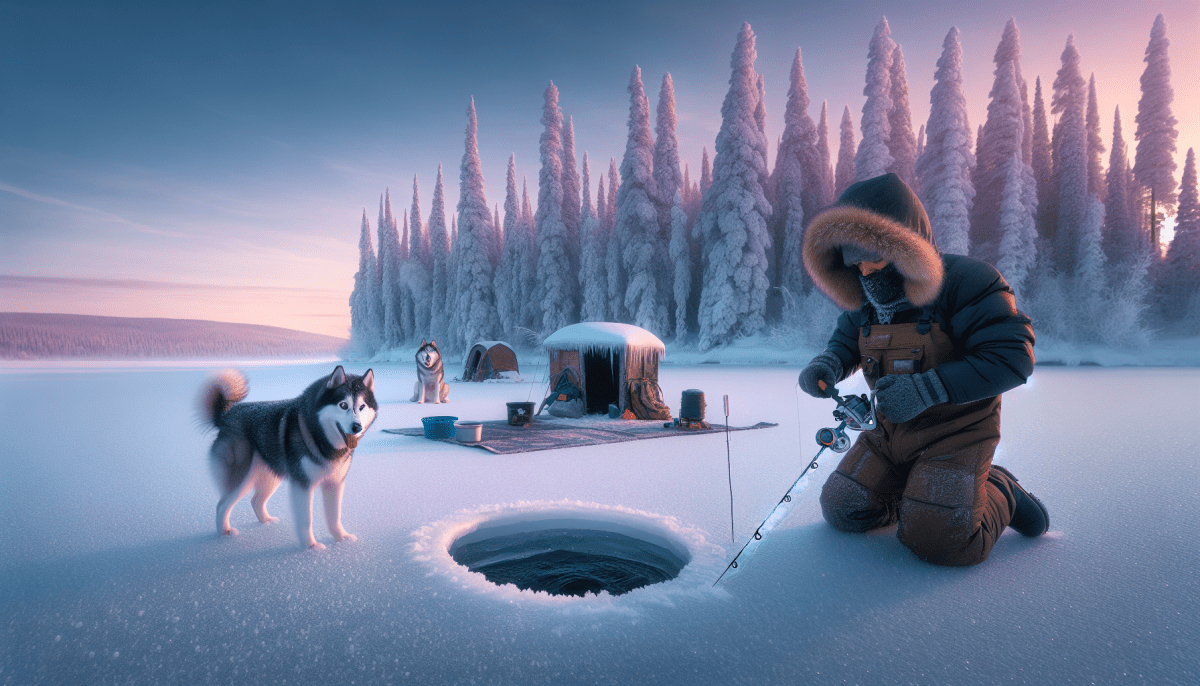
Now, it’s time to drill your hole. Use an auger that feels good in your hands, as this makes the process easier. Aim for a hole about 8-10 inches in diameter. This size is perfect for pulling in fish without losing them. As you drill, remember to keep your auger balanced and steady for the best results.
Once you’ve got your hole, keep the ice clean. Remove slush and any ice shavings to give you a clear view of what’s happening below. This little step helps you spot fish more easily and keeps your equipment from getting stuck. You might also want to drop in a transducer if you have a fish finder; it can really help you gauge what’s beneath the surface.
Finally, think about your bait. The right bait can make or break your day. Live bait, like minnows or wax worms, often works well. Just get it ready and drop it down the hole when you’re set up. This is where the fun begins, and you're all set to reel in some catches!
Staying Safe While Fishing
When you're heading out for a fun day of ice fishing, safety should be your top priority. The thrill of catching fish is exciting, but staying safe on the ice is just as important. Here are some easy tips to make sure you have a great time without any worries.
First off, always check the ice thickness before you head out. You want at least four inches of solid ice for walking, and more if you're bringing gear. Don’t be shy about getting a second opinion. If you’re headed to a popular spot, local fishing shops or experienced anglers can give you the scoop on current conditions.
Dress in layers! Temperatures can change quickly, and being comfortable is key to enjoying your day. Wear moisture-wicking materials to keep dry, and make sure to pack a warm hat and gloves. You’ll be glad you did when the wind starts to blow.
Keep some safety gear handy, like a flotation device in case the ice gives way. A spud bar is great for checking ice ahead of you, and a pair of ice picks can help pull you out if you slip. It’s also smart to bring a buddy along. Fishing’s more fun with a friend, plus it adds an extra layer of safety.
Lastly, have a plan for emergencies. Share your location and expected return time with someone who’s not fishing. Having a fully charged phone can help, but cell service can be spotty in remote areas. Being prepared means you can relax and enjoy your ice fishing adventure without a care in the world!